Explore the road
How to Discover More on a Road Trip Without Staring at a Screen
From a landmark outside the window to the next worthwhile stop, voice-led road context can make exploration safer and more natural while driving.
Curiosity is part of the route
Road trips are full of questions that do not fit into a search box at the right moment. What is that building on the hill? Is this town known for anything? Is there a short walk near the next exit? Does the road ahead pass a viewpoint worth waiting for? These are the questions that make a drive feel like exploration instead of transit.
The problem is that discovery should not require the driver to look down at a phone. A good in-car assistant can make room for curiosity through a short spoken interaction, then return attention to the road. The answer should be timely, relevant, and brief enough to help rather than become another distraction.
Ask questions in the language you already use
Natural language is especially useful when you do not know the exact name of what you are looking for. “What is that?” “Is there somewhere good for coffee near here?” and “what is worth stopping for on this route?” are ordinary questions with lots of implied context. They are not commands someone should have to memorize.
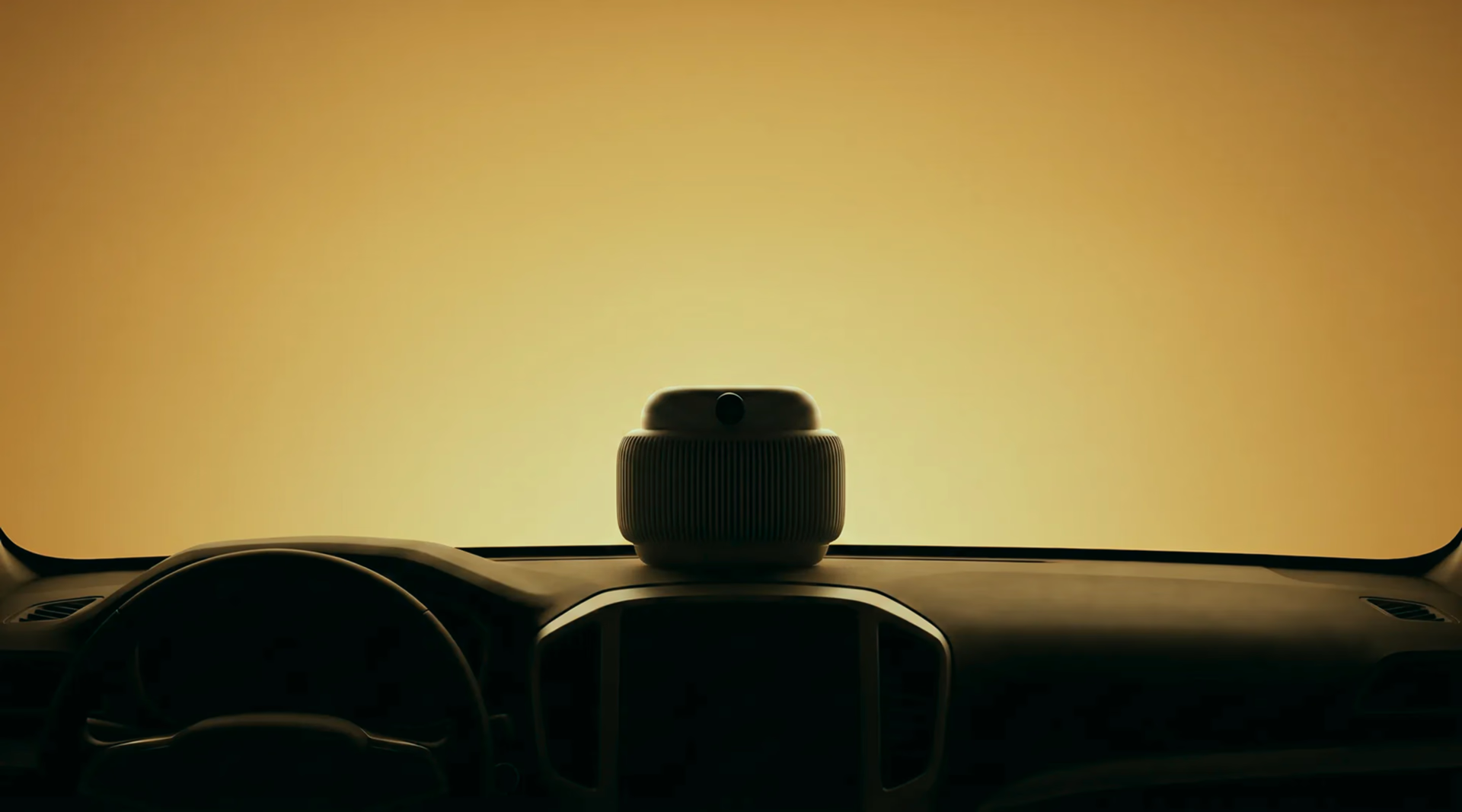
Waybox is being developed to understand the road around a drive and help describe nearby places through voice. Context can include the route, the time available, and the preferences a driver has chosen to share. That can make a suggestion feel less like a list of search results and more like a useful answer from a companion who understands where you are headed.
Choose fewer, better stops
The temptation on a road trip is to collect every possible stop. But a day becomes more memorable when there is time to be in a place, not just check it off. A useful recommendation system should help people narrow the field: one good local lunch, one worthwhile detour, one place to watch the light change before moving on.
This is where preferences matter. Someone who loves architecture may value a historic downtown. Someone traveling with a dog may need an easy outdoor stop. Someone who has been driving for five hours may care most about a quiet place to reset. Relevance comes from combining what is nearby with what is actually useful now.
Keep control with the driver
Assistance should expand choice, not decide the day. The driver should be able to ask for more detail, ignore a suggestion, change direction, or keep going without explanation. This is one of the reasons Waybox treats trust and clear controls as part of the product rather than an afterthought.
The road becomes more interesting when technology helps you notice it without taking it over. A good suggestion is an invitation, not an interruption.
Build the next drive
Make the road easier to enjoy and remember.
Join the Waybox waitlistKeep reading